
In the wave of Industry 4.0 and digital transformation, PDA handheld terminal data collectors have become core tools for modern manufacturing and logistics management. Through efficient data collection, transmission, and processing capabilities, they provide key support for optimizing factory production processes, warehouse management, and full-chain traceability. This article will delve into the core functions of PDA handheld terminal data collectors from two dimensions: factory production scenarios and entry/exit traceability, exploring how they enhance enterprise operational efficiency and quality control through technological integration.
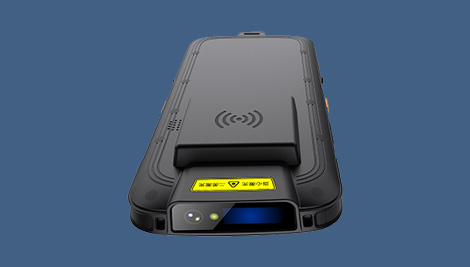
I. Functional Applications in Factory Production Scenarios
1. Real-time Data Collection and Production Line Collaboration
In factory production processes, PDA handheld terminal data collectors integrate high-precision barcode scanning modules, RFID reading/writing modules, and industrial-grade sensors to achieve full-process data collection from raw material warehousing to finished product output. For example:
Material Tracking: Operators scan QR codes or RFID tags on material packaging to record batch information, supplier details, and inventory status in real time, avoiding errors caused by manual entry.
Process Management: In assembly stages, the device binds work order information and operator permissions. By scanning process node tags, it ensures standard execution of production flows, reducing risks of skipped steps or missed inspections.
Quality Traceability: Combined with built-in quality inspection modules, key test data (e.g., dimensions, weight, appearance) can be recorded and linked to product serial numbers, forming comprehensive quality records.
2. Dynamic Monitoring and Anomaly Alerts
The data interaction capabilities of handheld terminals make them "mobile command centers" on the production floor:
Real-time Dashboards: Via Wi-Fi or 4G/5G networks, devices synchronize with MES (Manufacturing Execution System) data to display current line efficiency, equipment utilization, and order progress, helping managers quickly address bottlenecks.
Anomaly Reporting: When detecting equipment failures, process deviations, or material shortages, operators can report issues with one-touch alerts. The system automatically pushes warnings to maintenance teams or dispatch centers, shortening response cycles.
3. Flexible Adaptation to Multi-scenario Needs
To address production characteristics across industries, handheld terminals support customized development:
Dust-proof Design: In chemical or food processing environments, devices meet IP65 protection ratings for use in high-temperature, high-humidity, or dusty conditions.
Multi-modal Interaction: Equipped with industrial-grade touchscreens and physical buttons, they support gloved operation and voice commands, enhancing usability in complex settings.
Offline Caching: During network outages, data is stored locally and synced automatically upon reconnection, ensuring data integrity.
II. Functional Innovations in Entry/Exit Traceability Scenarios
1. Precise Warehouse Management
In warehouses or logistics centers, PDA handheld terminal data collectors enable "visualized" cargo flow:
Fast Receiving/Shipping: Scan pallet or container tags to batch-verify quantity and specifications. The system automatically matches order information, reducing manual counting errors.
Dynamic Location Management: Using RFID technology, devices locate goods storage positions to optimize allocation strategies and increase warehouse space utilization.
FIFO (First-In-First-Out) Control: By scanning production date tags, devices prompt priority batches for outbound shipments, avoiding inventory pile-ups or expiration risks.
2. Full-chain Traceability System Construction
From raw material procurement to end sales, handheld terminals support multi-level traceability data collection:
Forward Tracking: Records each product stage (e.g., processing batches, quality reports, logistics vehicle details), creating traceable "digital IDs."
Reverse Traceability: If quality issues arise in a batch, scanning product tags quickly identifies problem points, recall scopes, and responsible entities.
Anti-counterfeiting Verification: Integrated with encryption algorithms and blockchain, devices verify product authenticity to combat counterfeiting and protect brand reputation.
3. Entry/Exit Security Controls
For high-value or sensitive materials, devices enhance security:
Permission Levels: Assign operational rights based on employee roles (e.g., restricting access to valuable item shipments) to prevent unauthorized actions.
Electronic Sign-off: Receivers confirm deliveries via digital signatures on the device, generating electronic receipts to reduce paper-based risks.
Video Integration: Some devices include camera modules to capture operation images during scans, binding them with logs for audit trails.
III. Technical Advantages and Industry Value
1. Deep Hardware-Software Integration
Industrial Durability: Features magnesium-aluminum alloy casing, Corning Gorilla Glass, and shock-resistant designs to withstand 1.5-meter drops and extreme temperatures (-20°C to 60°C).
Long Battery Life: Equipped with high-capacity batteries and power-saving modes for 12+ hours of continuous operation.
System Compatibility: Supports Android, Tongxin, and Windows systems, seamlessly integrating with ERP, WMS, TMS, and other enterprise systems.
2. Data Security and Privacy Protection
Local Encryption Storage: Built-in national cryptographic algorithm chips encrypt sensitive data at the hardware level to prevent leaks.
Transmission Security: Uses VPN tunnels or TLS protocols to ensure data integrity during transfer.
3. Reducing Overall Operational Costs
Minimizing Labor Dependency: Automated data collection replaces manual entry, cutting error rates by over 90%.
Optimizing Inventory Turnover: Precise management reduces capital lockup, lowering warehousing costs by 15%-25%.
Enhancing Customer Satisfaction: Quick order and after-sales responses boost client loyalty.
IV. Future Development Trends
With the maturation of IoT and edge computing, PDA handheld terminal data collectors will evolve:
AI-assisted Decision-making: Lightweight AI models at the edge enable real-time quality checks or demand forecasting.
5G + Industrial Internet: Low-latency networks support multi-device collaboration for smart factories with real-time feedback.
Modular Design: Users can combine functional modules for scenario-specific flexibility, increasing device reuse.
Conclusion
PDA handheld terminal data collectors have evolved from simple "data entry tools" to "intelligent hubs" covering production, logistics, and traceability chains. Through hardware upgrades, software expansions, and deep integration with IoT technologies, they are reshaping traditional manufacturing operations. For enterprises, selecting scenario-appropriate devices and building robust data application systems is key to digital transformation success.